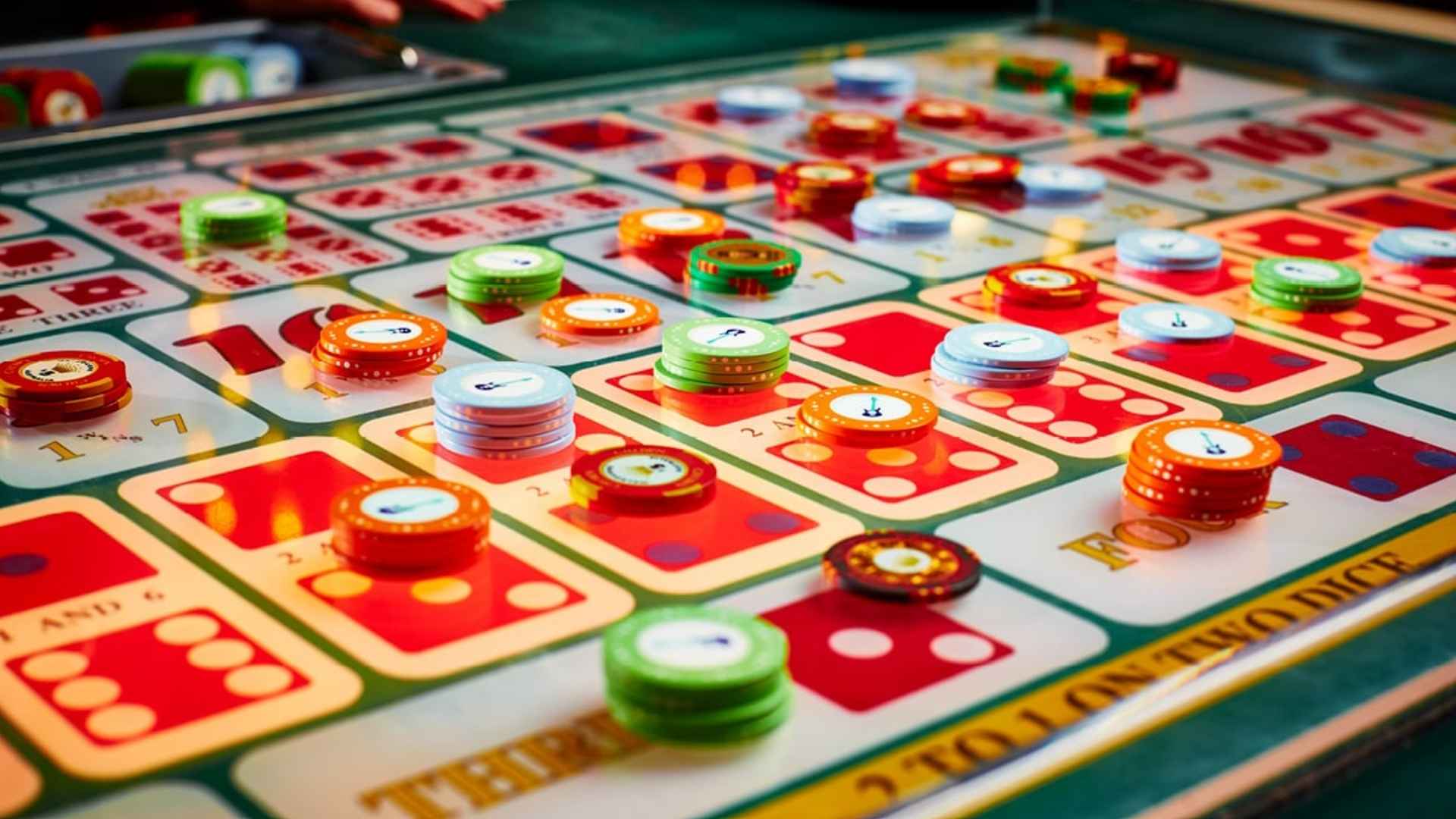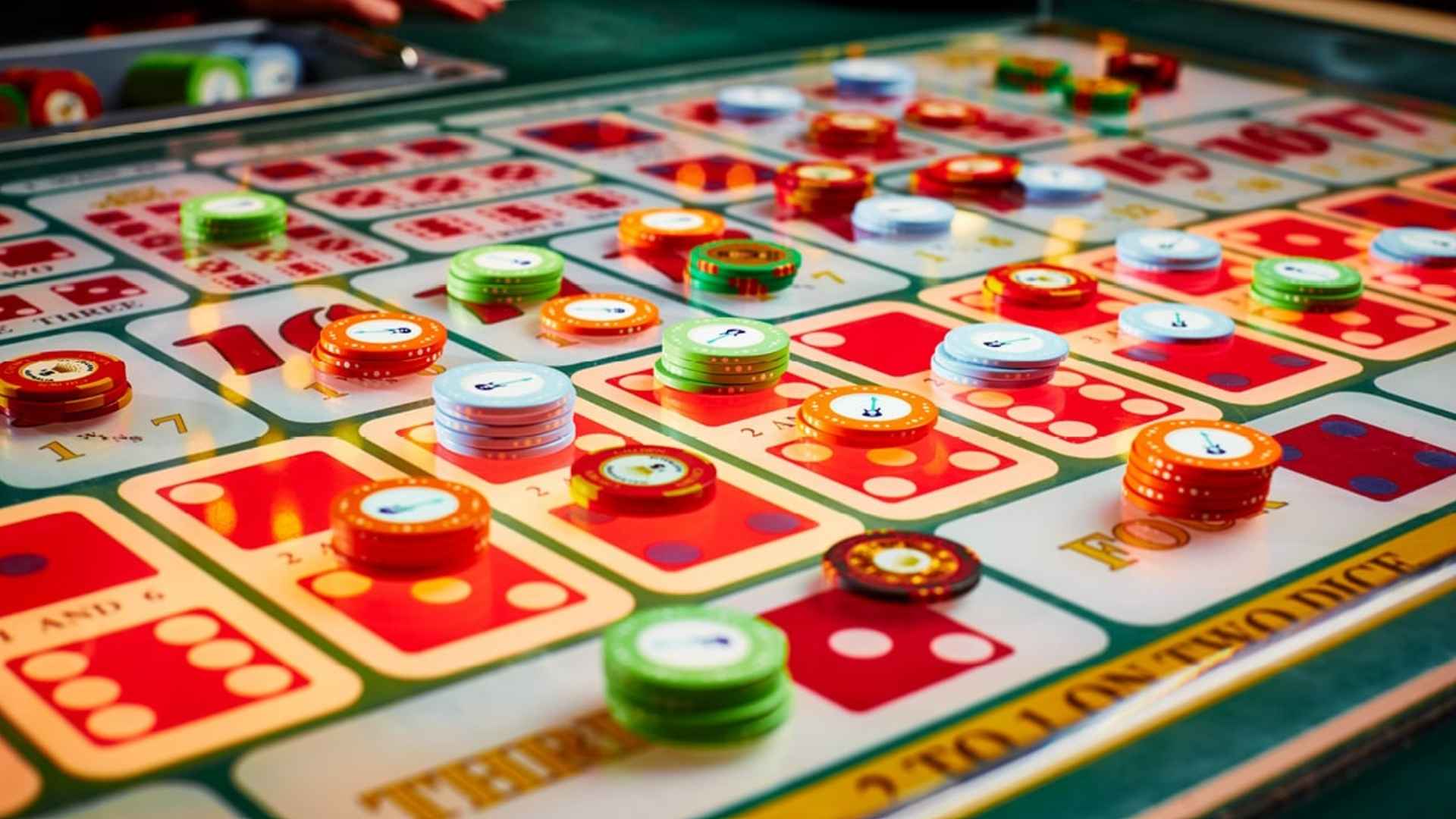
In high-stakes environments, the impulse to react immediately can often overwhelm rational thought. While most people feel compelled to take swift action during chaotic moments, disciplined individuals recognize the strategic power of restraint. Sitting still while others react blindly allows a person to analyze hidden variables and maintain long-term control.
The Urge to React Under Social Pressure
When surrounding individuals panic or move impulsively, human biology naturally triggers a fight-or-flight response. This emotional surge causes people to prioritize immediate activity over thoughtful analysis. Resisting this collective momentum requires significant psychological fortitude and self-awareness.
By consciously choosing to pause, you give your prefrontal cortex time to process complex information. This brief delay prevents costly bluffs and uncalculated mistakes. Consequently, emotional composure becomes a major advantage when navigating unpredictable scenarios.
Evaluating Risk Without Emotional Bias
Impulsive actions are rarely grounded in objective data, as fear and excitement cloud critical reasoning. People who remain calm can assess actual risk levels rather than reacting to exaggerated threats. This objective perspective enables better resource management and clearer strategic planning.
For instance, individuals who access digital platforms via m88 đăng nhập often observe how erratic behavior leads to rapid mistakes in fast-paced games. Observing the table without jumping into unnecessary conflict preserves options for pivotal moments. Rational reflection consistently outperforms emotional impulse across competitive disciplines.
Turning Restraint Into a Strategic Advantage
Sitting still is not passive hesitation; it is an active strategy of deliberate observation. While others expose their intentions through premature moves, a patient observer gathers vital intelligence. This information asymmetry allows you to strike precisely when the probability of success is highest.
Furthermore, maintaining absolute stillness destabilizes opponents who rely on rapid back-and-forth reactions. Your calm presence forces others to second-guess their own strategies and make unforced errors. Over time, calculated restraint shifts the momentum entirely in your favor.
Building Mental Stamina for High-Pressure Moments
Developing the capacity to pause requires consistent practice and emotional discipline. Mindfulness techniques and structured breathing help soothe the nervous system during tense situations. Recognizing your personal emotional triggers makes it easier to resist automatic reactions.
Ultimately, mastering the art of sitting still transforms how you handle volatility. Instead of being swept away by surrounding chaos, you dictate your own pace. True decision-making mastery belongs to those who control their inner state while the world reacts.