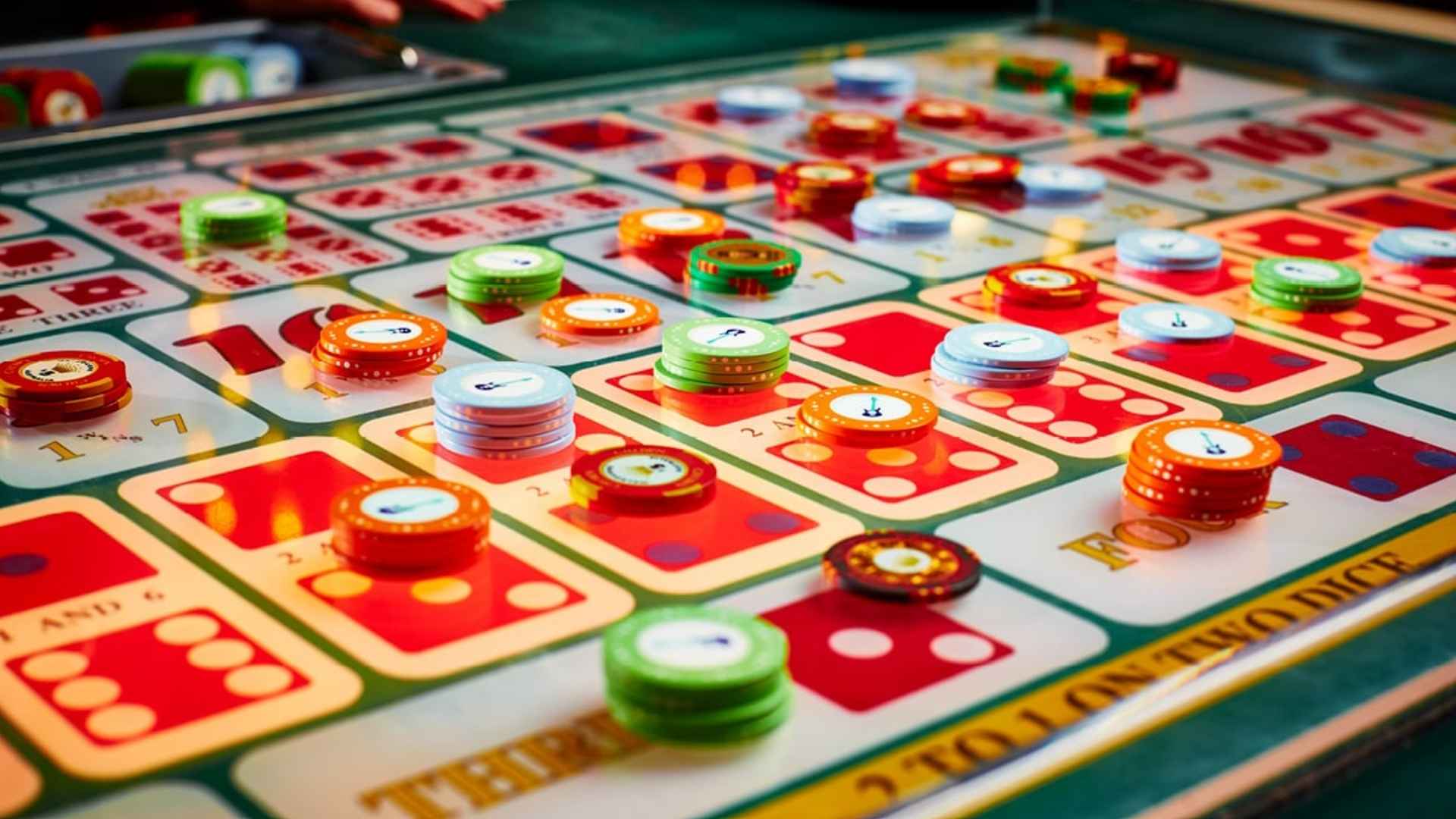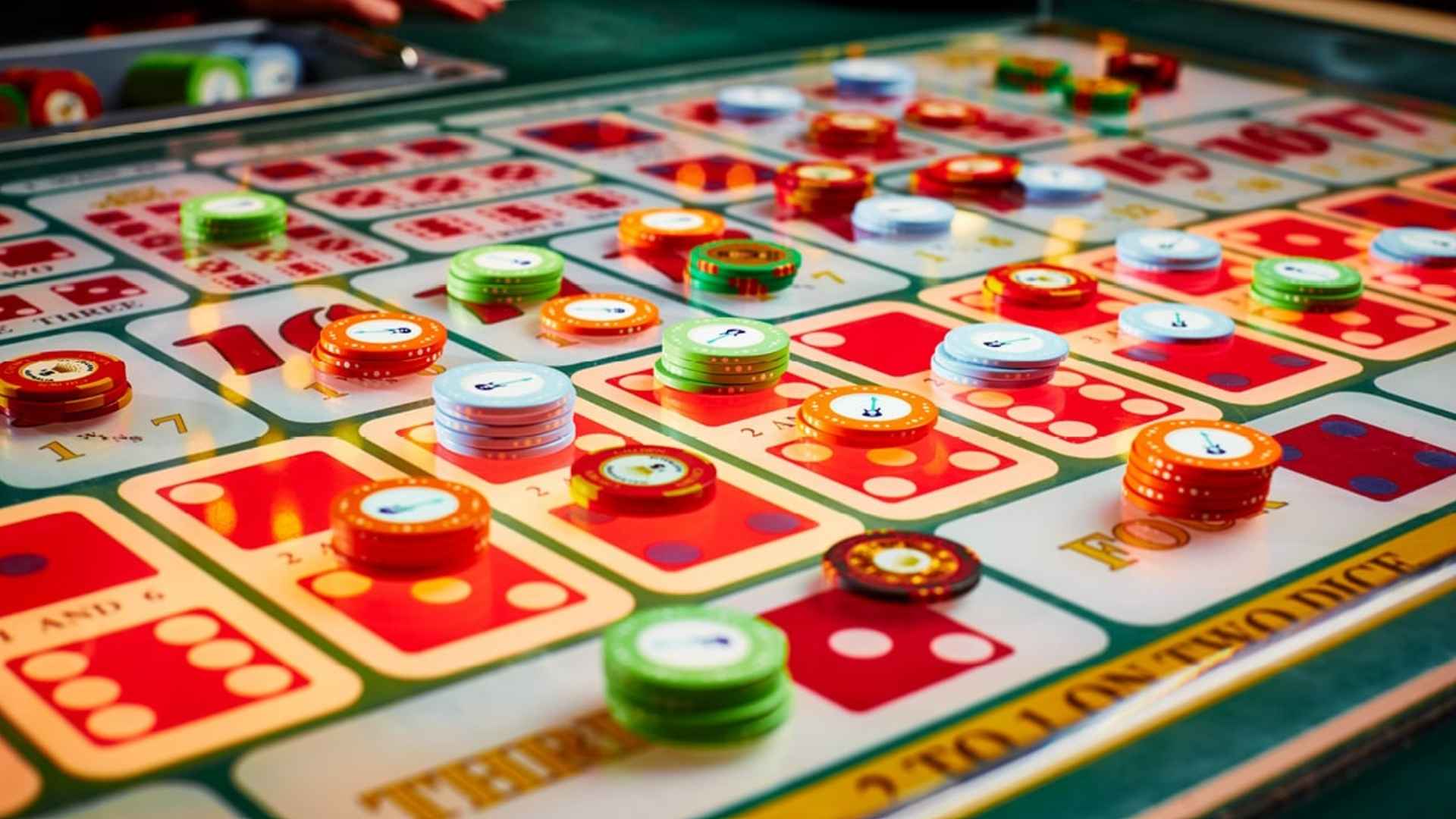
While many classic games rely entirely on predetermined patterns or simple luck, a unique category of tabletop entertainment challenges players to think outside the box. These table games encourage participants to develop highly personalized tactics, turning the playing surface into a canvas for mental experimentation. By offering open-ended options and multiple paths to victory, they naturally reward players who approach challenges with a fresh, imaginative perspective.
The Intersection of Logic and Imagination
Many traditional tabletop setups present players with strict rules but highly flexible outcomes. This structural freedom allows individuals to invent unorthodox strategies that their opponents might never anticipate. Instead of memorizing static opening moves, creative players focus on adapting to shifting dynamics in real time.
This fluid style of play makes every match feel completely distinct, keeping the competitive spirit fresh and exciting. When players realize that unconventional thinking can bypass established defensive setups, the entire gaming experience becomes much more engaging. Ultimately, the ability to formulate original solutions is what separates a standard player from a truly masterful strategist.
How Well Designed Rules Encourage Experimentation
Game design plays a fundamental role in unlocking the creative potential of players around a table. When mechanics allow for multiple valid winning conditions, participants are naturally encouraged to experiment with different playstyles. Rather than pushing everyone toward a single dominant strategy, these systems offer a balanced playground for diverse tactical minds.
For instance, complex card and tile games often present players with imperfect information, forcing them to rely on calculated intuition and psychological bluffing. Exploring different digital avenues can also help enthusiasts discover new rules and highly interactive community matches. Players looking for dynamic options to test their skills often use the M88 Msports Login to access modern variations of traditional favorites. These engaging platforms provide a structured environment where strategic innovation can truly flourish.
The Cognitive Benefits of Creative Play
Engaging in table games that demand tactical flexibility is an excellent way to keep the human mind sharp and active. By constantly analyzing unpredictable variables, players systematically improve their everyday problem-solving capabilities. This active form of mental recreation helps individuals build cognitive resilience and see complex situations from multiple angles.
Furthermore, navigating these tabletop scenarios teaches valuable lessons about risk management and emotional control under pressure. Unlike passive digital entertainment, interactive gaming forces you to make active decisions and instantly observe the consequences of your choices. Over time, this habit of strategic experimentation builds a highly analytical mindset that extends far beyond the physical board.
Building Authentic Connections Through Shared Tactics
Beyond the mental exercise, games that reward tactical imagination create a highly social and memorable atmosphere. When players are forced to adapt to each other's unexpected moves, it naturally sparks lively conversations and shared laughter. These moments of collective suspense build strong bonds that simple, predictable games rarely replicate.
In a world dominated by isolated digital screens, gathering around a physical or interactive virtual table offers a refreshing return to authentic human connection. Sharing a challenging match with friends allows everyone to appreciate the unique ways their peers think and solve problems. This shared journey of tactical discovery ensures that these creative tabletop activities will remain popular for generations to come.